What do our planetary neighbors look like?
Our ancestors have been looking up towards the skies for centuries before realising what these points of light actually are. The word “planet” is derived from the ancient greek word “Planetes / (Pπλανήτης)” which means “wanderer”. Wanderer is an appropriate name for these objects considering they move around the night sky in an arc, and do not remain in a fixed yet moving position like constellations. The first real planetary observations by telescope were done by Galileo Galilei in the 17th century.
This short clip shows the movement, distance and orbits of our planetary neighbours. In order of closest to the sun to furthest from the sun we see the following planets:
- Mercury
- Venus
- Earth
- Mars
- Jupiter
- Uranus
- Neptune
All of these objects are viewable through an amateur telescope (though results may vary).
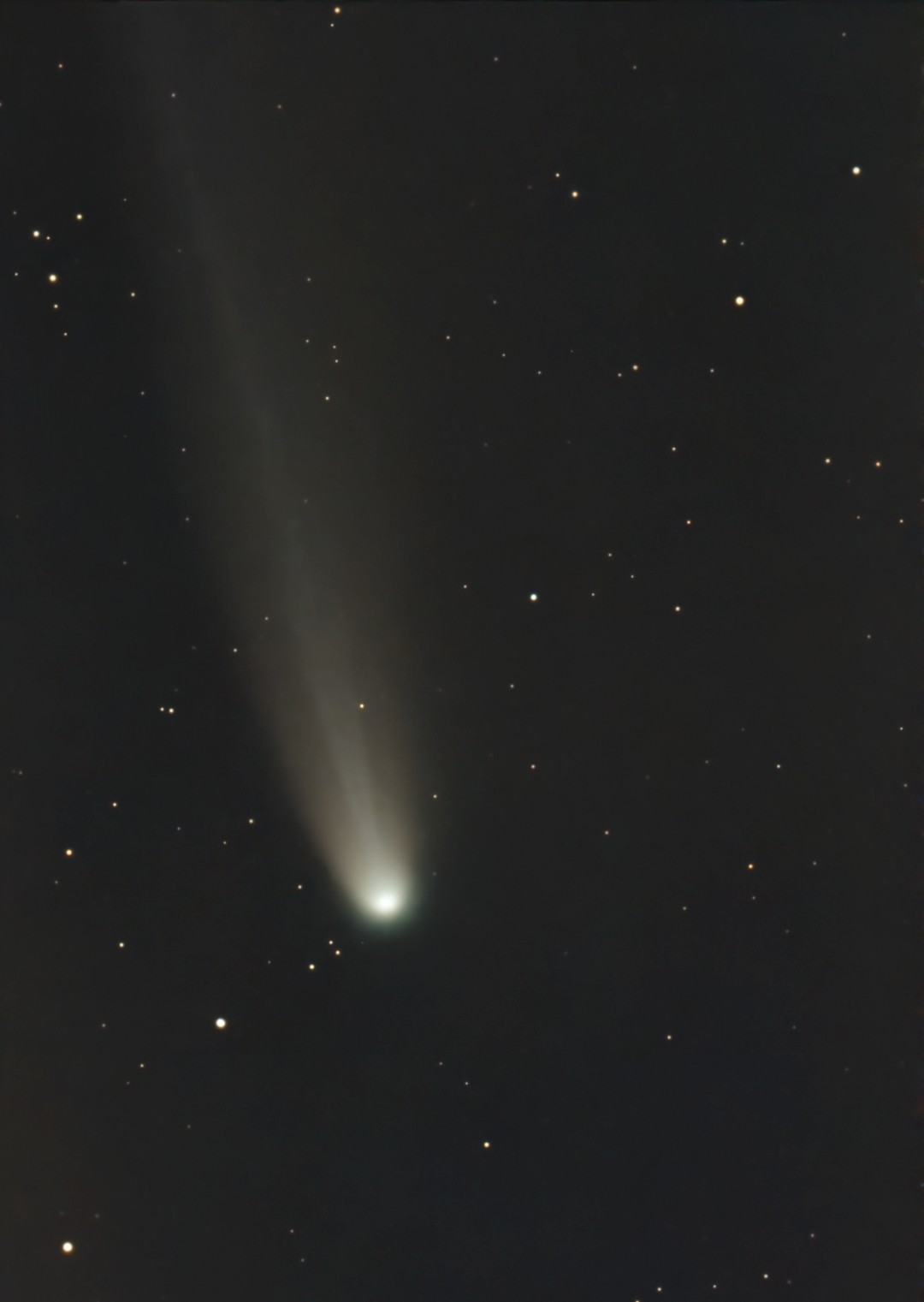
We will most commonly observe planets and their moons. Asteroids would need to be very large and very bright for us to see down here on Earth so we will generally not be able to see them. Comets are uncommon but can be quite visible to us (C2025 A6 Lemmon comes to mind).
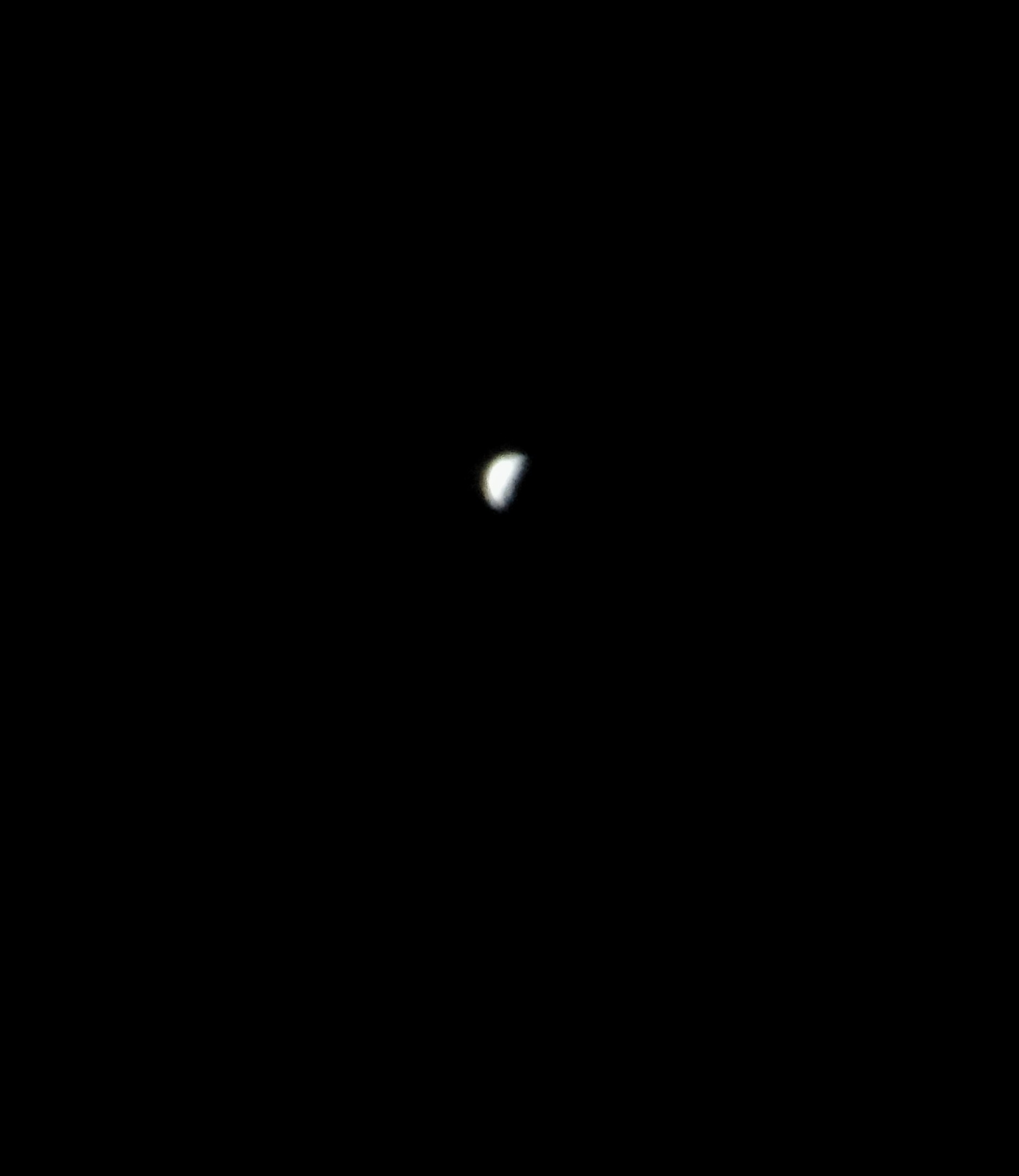
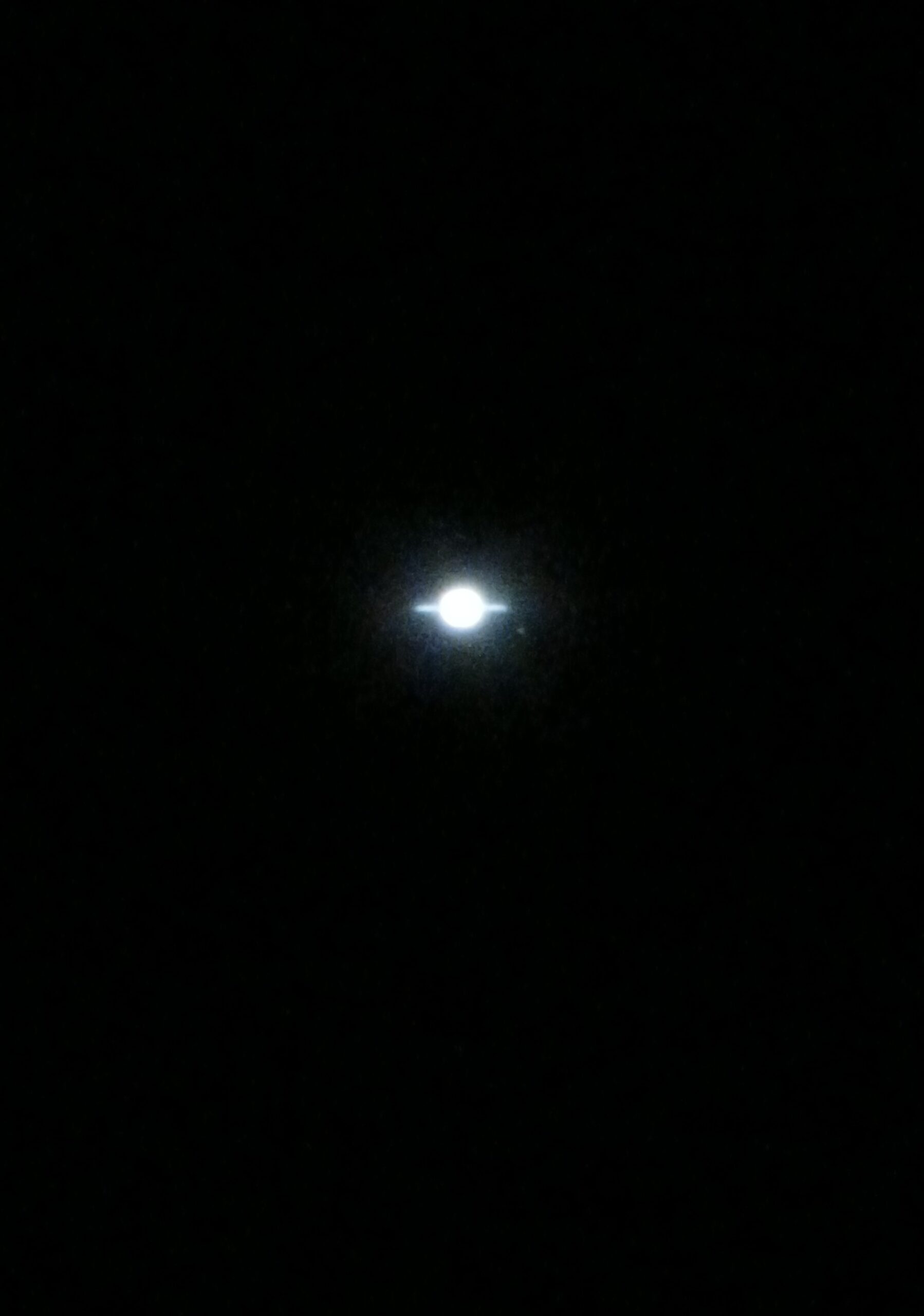
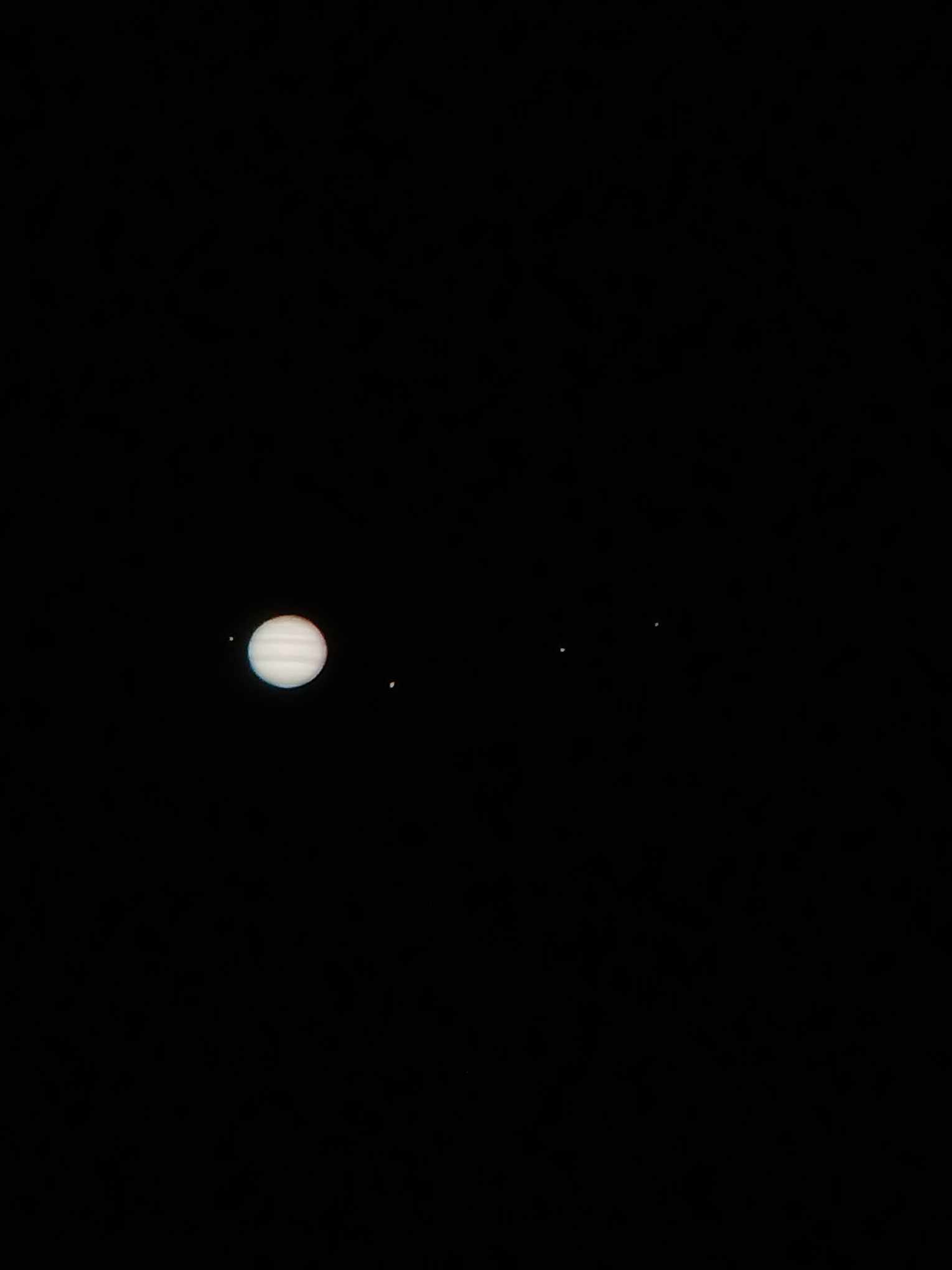
Planets are fairly bright objects and are easy to observe with amateur astronomy tools. I personally use an 8″ Dobsonian type telescope. The large 8″ mirror is more than enough to have very detailed views of our planets. Taking pictures with a Dobsonian can be quite hard due to its untracked nature and the size of these planets in the field of view. Normally one would use a specialised planetary camera or DSLR camera fixed to the telescope to capture videos of the planet moving in and out of view. Then software is used to extract the best 10 or 20% of the frames where the planet is focus. Those images are stacked and the image is processed further.
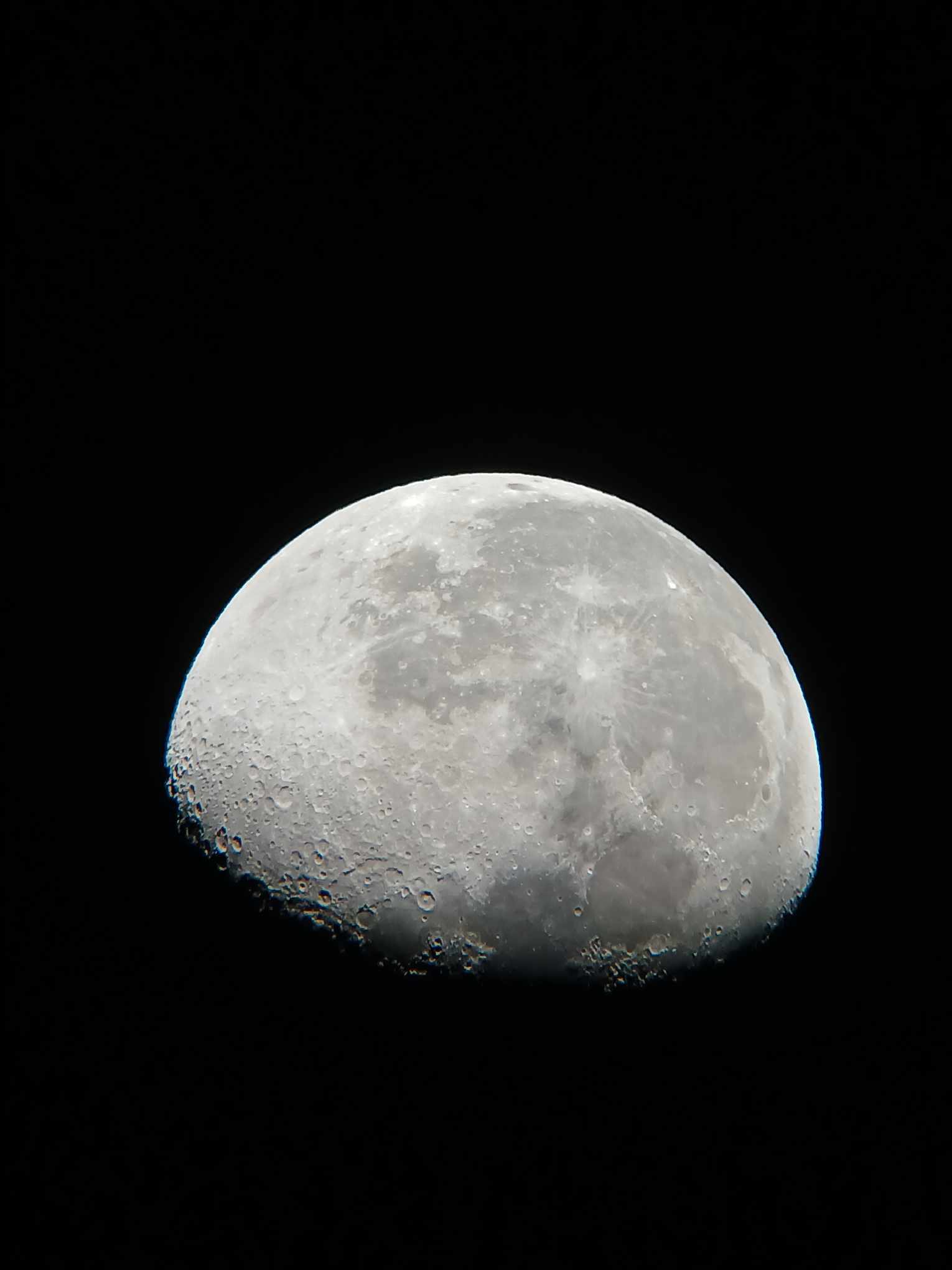
All of my images are made with a cheap (phone) camera that is fixed to the eyepiece with an adapter. Image quality is not the best due to it being fairly hard to get the right amount of exposure: the planet needs to be bright enough to see details, but not too bright because this overwhelms the camera sensor. Resulting in what is basically a white dot on the screen.
Nonetheless, I hope you enjoy these pictures!