What are Deep Space Objects?
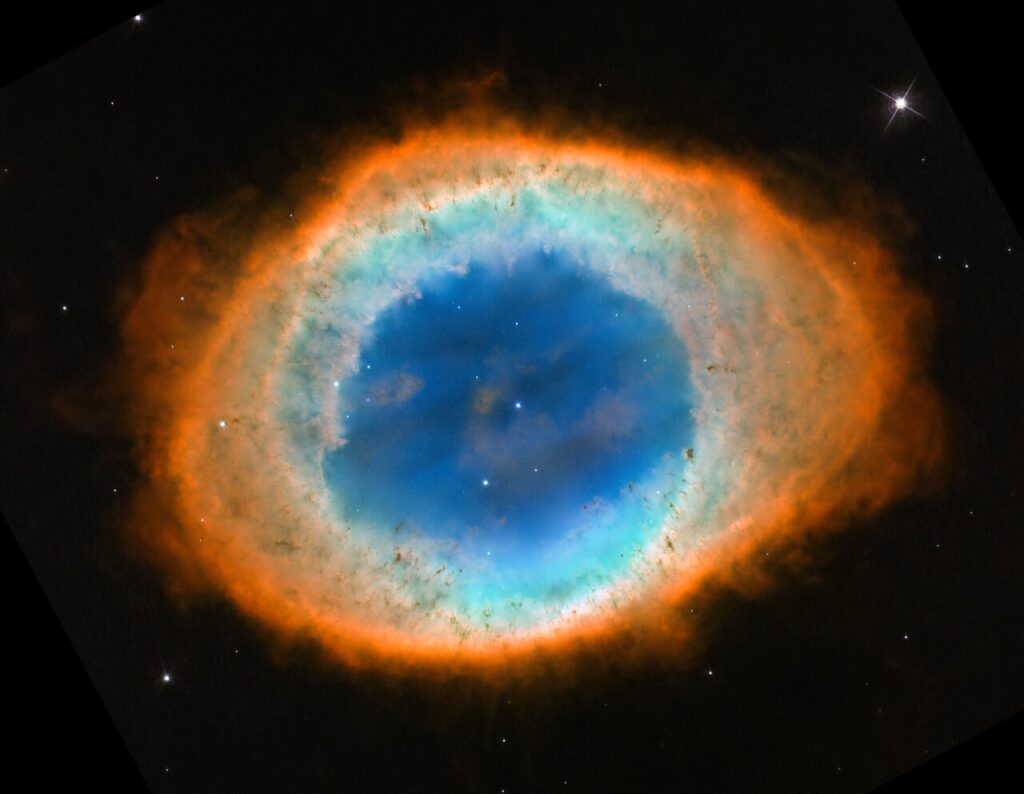
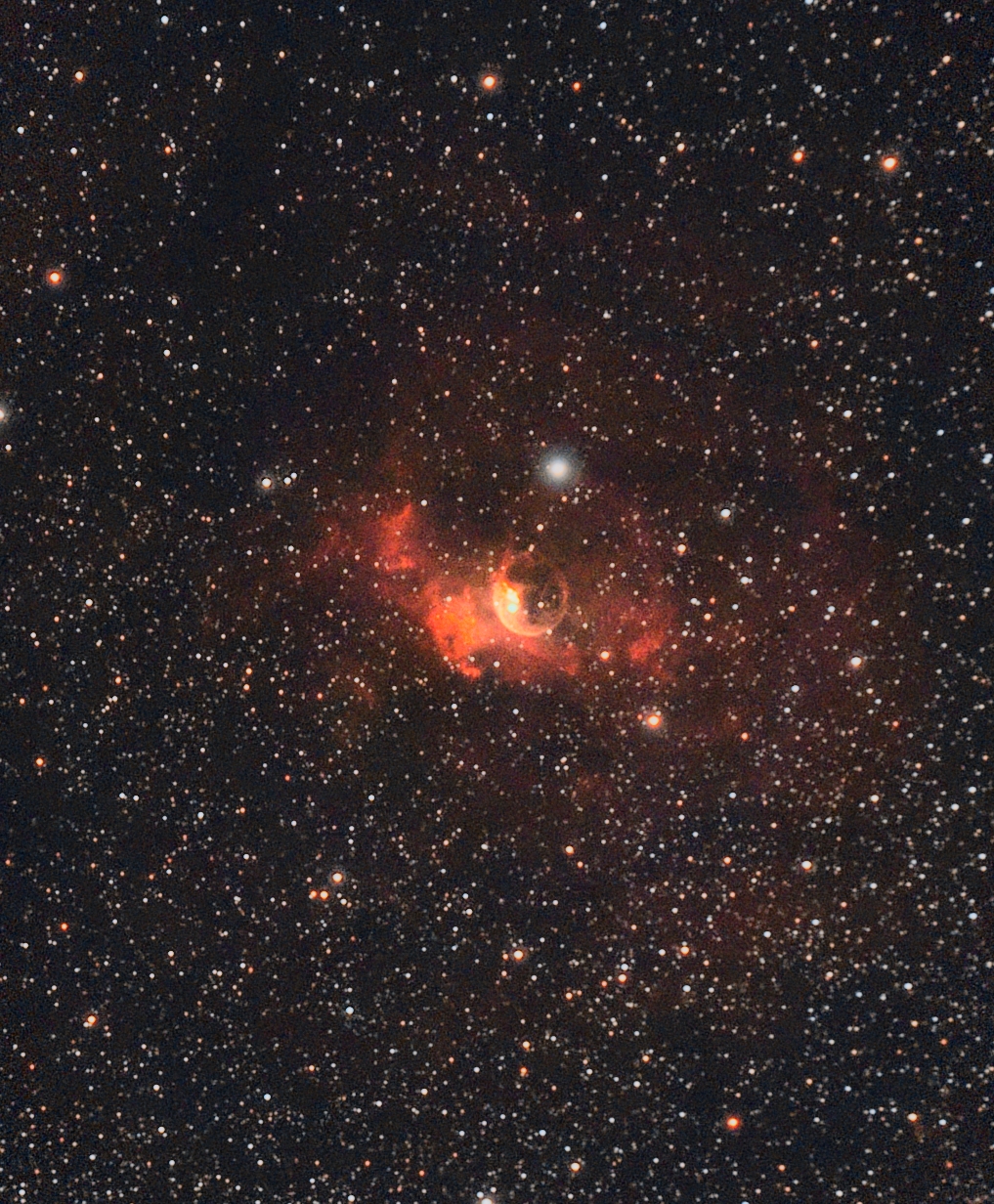
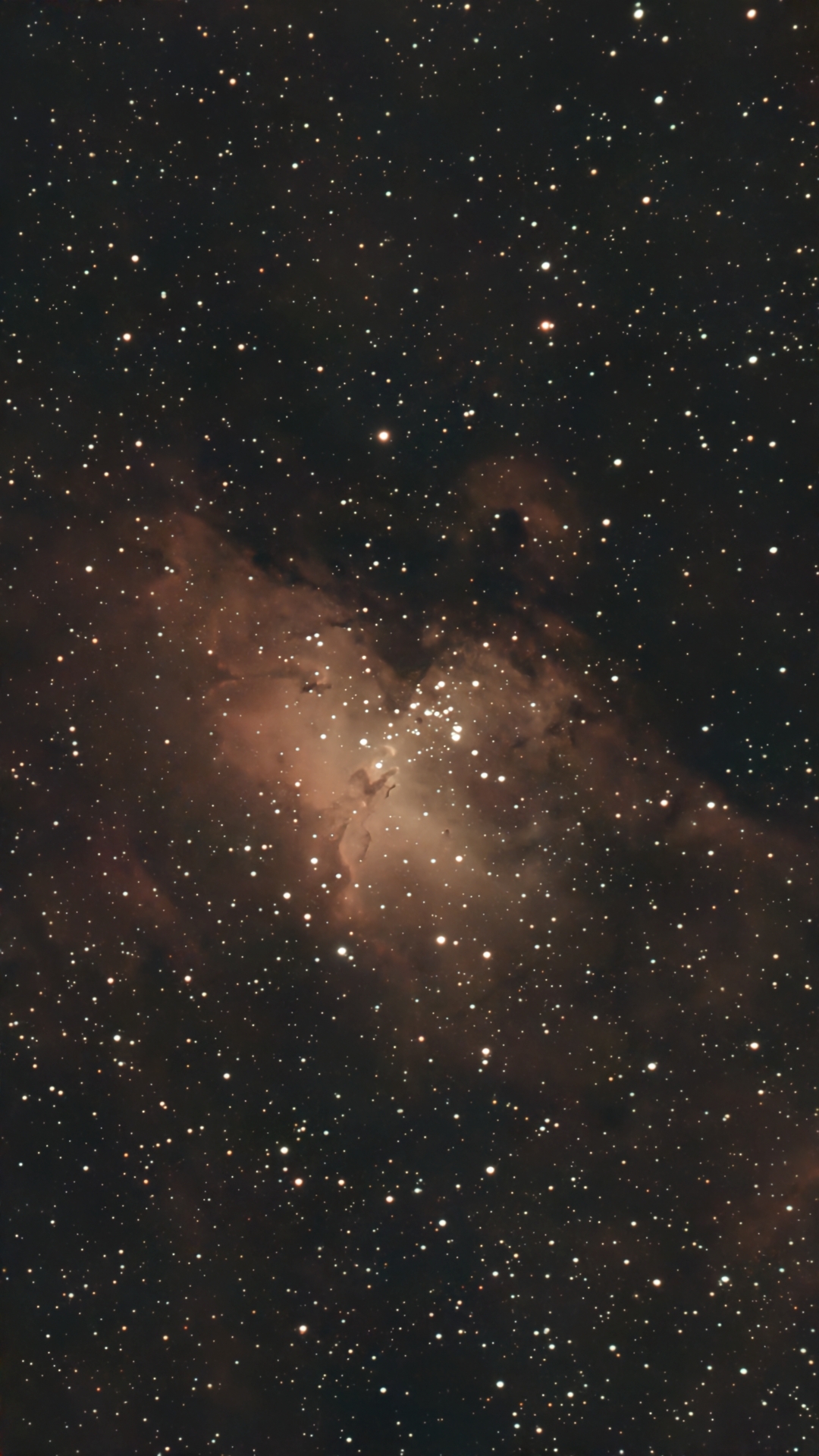
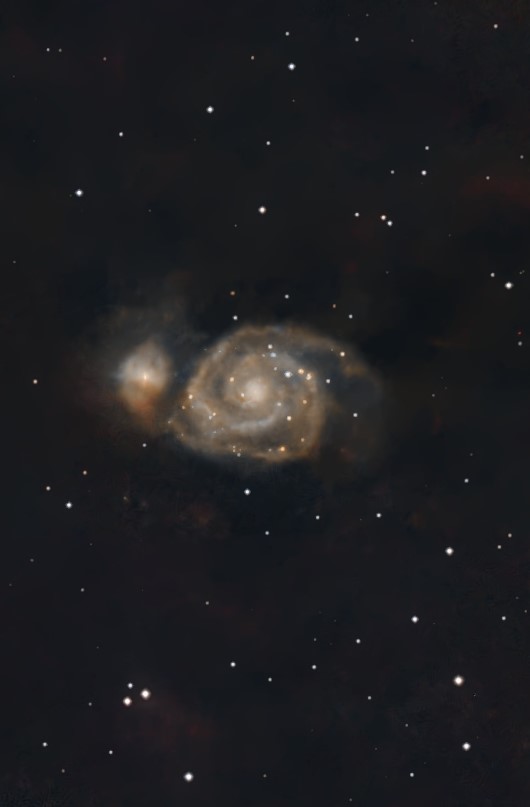
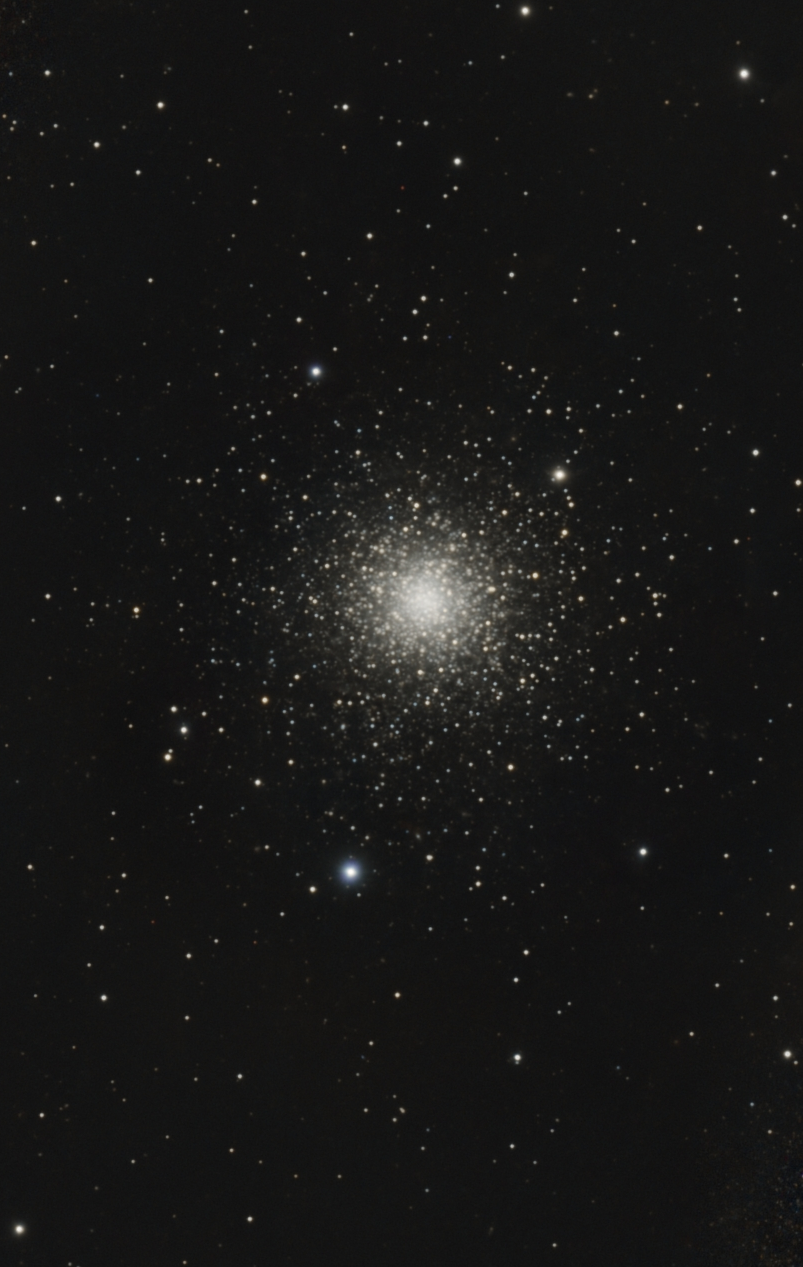
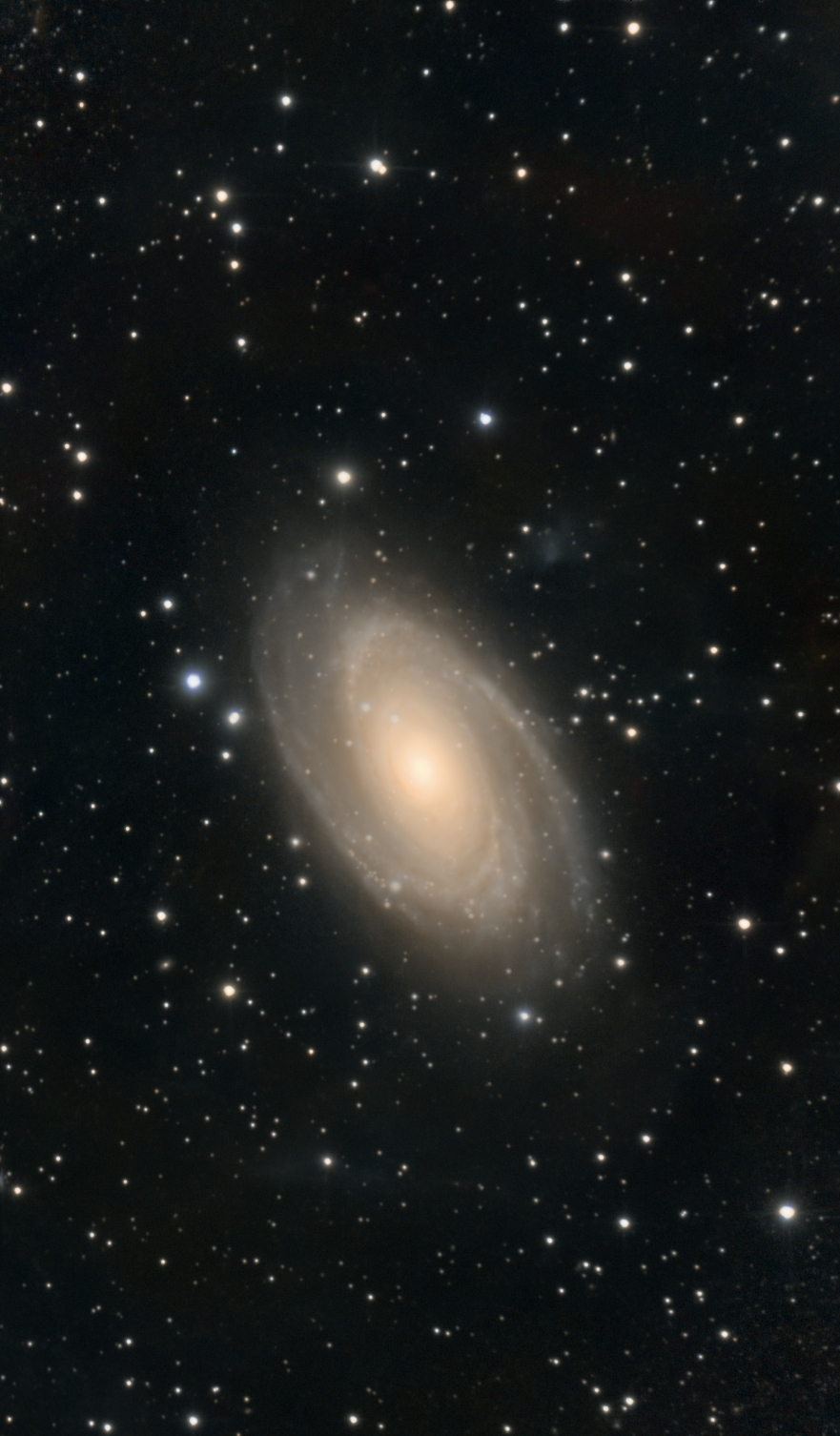
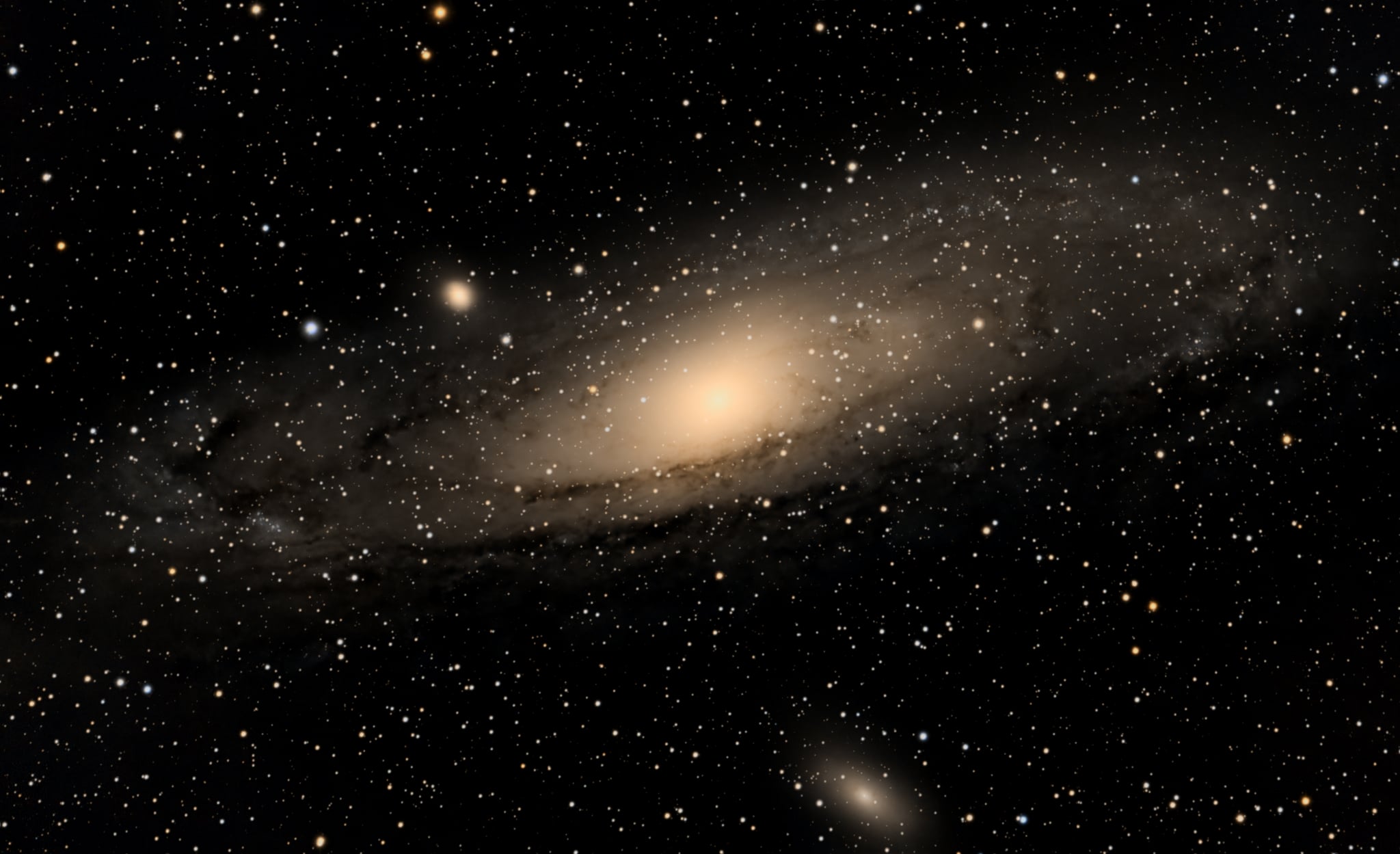
Deep Space Objects or DSO’s are objects such as nebulae and galaxies. These objects are very far away, at distances that are unfathomable. Even the closer objects (such as M31) are still millions of light-years away. Some DSO’s can be seen with visual telescopes (again M31, there is a reason why this DSO is popular) but often appear as faint smudges.
This distance presents the astronomer with a challenge: gathering enough light. These objects are in general very dim and require higher exposures to be captured in an image. Higher exposure times result in star trailing due to the movement of Earth, which then reduces detail and blurs images.
DSO’s require a telescope that can track objects in the night sky. Good tracking can increase the exposure time to up to 60seconds and even more by using specialised (expensive) mounts and camera’s. The collected data must be “stacked” and processed resulting in a finished composite image.
There are many DSO’s out there, which are often categorised in lists. Examples would be the Messier list, NGC list and IC list.
All of the picture’s I’ve taken of DSO’s that I show in my posts are taken by a Seestar S50. This is a so-called “smart” scope that can track objects, take pictures AND do some basic digital editing of the pictures. Great stuff!